 blog
How to Choose Alternatives to Full Roof Replacement
Last Updated: November 19, 2026
Quick Summary
Alternatives to a full roof replacement include targeted repairs, shingle treatments, roof coatings or sealants, partial replacement of one slope, and overlays. The right choice depends on whether the deck is sound, how far damage has spread, and how much service life is left. A professional inspection should come before you commit to any strategy.
- The average roof replacement runs $9,526, with a range of $5,868 to $13,217.
- A soft or sagging deck is a structural signal that no coating or treatment fixes.
- Leaks in three or more separate spots usually mean the underlayment has aged out.
- Restoration only works when the roof passes an eligibility test covering deck, leaks, shingles, and ventilation.
- Insurance rarely pays for wear and tear, covering sudden damage such as storm or hail instead.
Table of Contents
- When to Consider Alternatives to Full Roof Replacement
- Roof Repair vs. Replacement: Which One Fits Your Situation
- Roof Restoration Options That Extend Service Life
- Alternatives to Full Roof Replacement Cost: What Drives the Bill
- Roof Replacement Financing Options When Replacement Is Unavoidable
- Insurance, Code, and Warranty Rules That Shape Your Choice
- Schedule a Roof Inspection Before You Commit to a Strategy
- Frequently Asked Questions
When to Consider Alternatives to Full Roof Replacement
A roof replacement is not always the answer, even when a roofer says it is. According to RubyHome's roofing cost data, the average roof replacement runs $9,526, with a range of $5,868 to $13,217 and some projects reaching $80,000. At Roof Tune Up, we see that price tag push homeowners toward a decision before anyone has actually read the roof's condition.
Most roofs fail in stages. A few missing shingles, a stain on the ceiling, granules in the gutter: these are warnings, not verdicts. The right question is not "repair or replace" but "how much service life is left, and what is the cheapest way to capture it."
Reading Your Roof's Condition Before You Decide
Start with three checks you can do from the ground. Look for granule loss in the gutters, cracked or missing shingles, and flashing that has pulled away from chimneys or vents. Then get on a ladder only if it is safe and stable. Water stains on the roof deck mean water infiltration has already started.
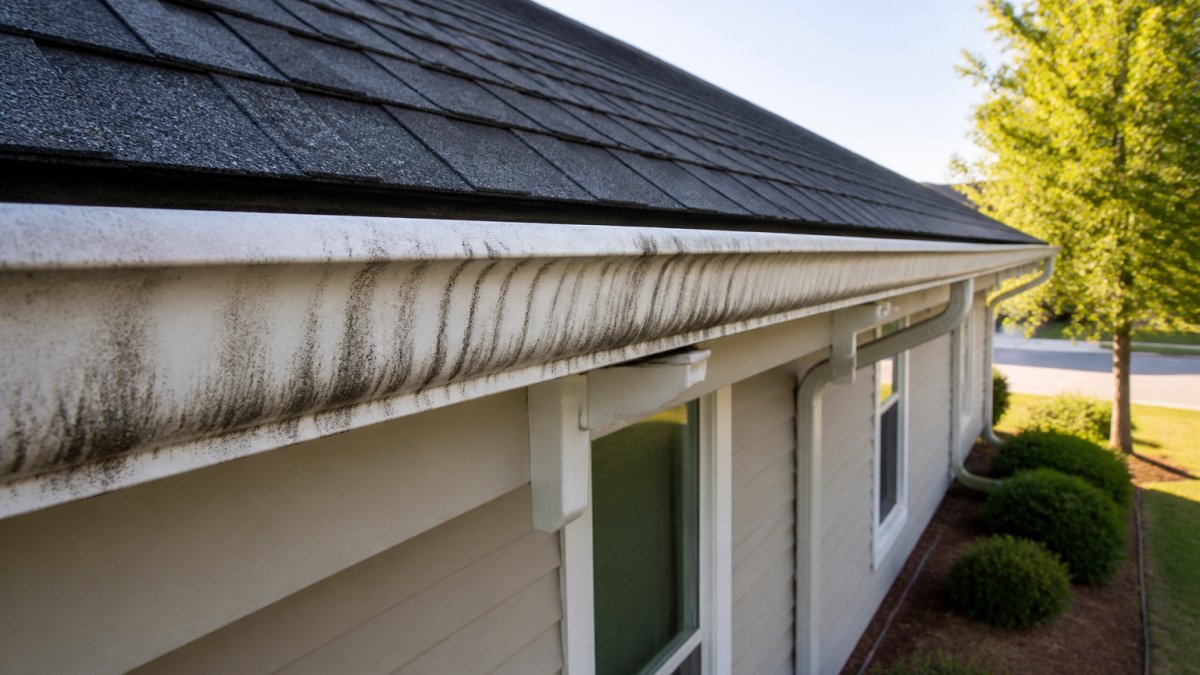
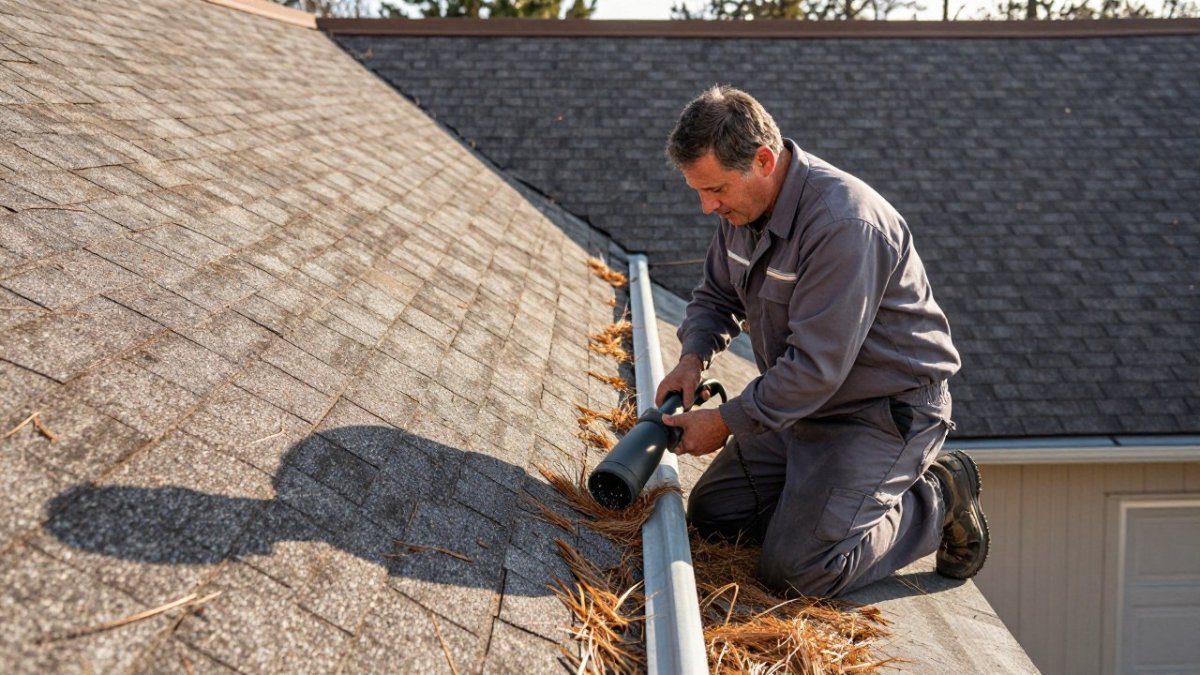
Age matters, but it is not a countdown clock. A well-ventilated asphalt shingle roof in a shaded, moss-free spot can outlast a poorly vented one by years. Moss, algae streaks, and trapped debris hold moisture against the shingles and shorten service life fast, which is exactly the kind of problem a maintenance visit catches early.
Roof Repair vs. Replacement: Which One Fits Your Situation
Roof repair fixes a specific failure; roof replacement replaces the whole system. The hard part is not knowing the definitions, it is knowing which one your roof actually qualifies for. The decision generally turns on three variables: how far the damage has spread, how much service life the surrounding shingles have left, and whether the underlayment and deck are still sound.
A Decision Framework You Can Apply Before You Call Anyone
Work through these tests in order. Stop at the first one that fails, because a failed test usually overrides the ones below it.
- Is the deck sound? Walk the attic and look for sagging between rafters, soft spots, daylight through the boards, or water staining on the sheathing. A soft or sagging deck is a structural signal. Repairing shingles over a failing deck just hides the problem, and no coating or treatment fixes it.
- Is the damage isolated or widespread? One leak around a chimney, vent, or skylight with dry shingles around it is a repair candidate. Leaks in three or more separate spots usually mean the underlayment has aged out across the field, and patching becomes a series of return visits.
- How much service life is left? Compare the roof's age to the expected service life of its material. Asphalt shingles are often rated for a service life of several decades, but that assumes proper ventilation and no chronic moisture. A roof at 80 percent of its rated life with widespread granule loss has little life left to capture, and repair money is better put toward replacement.
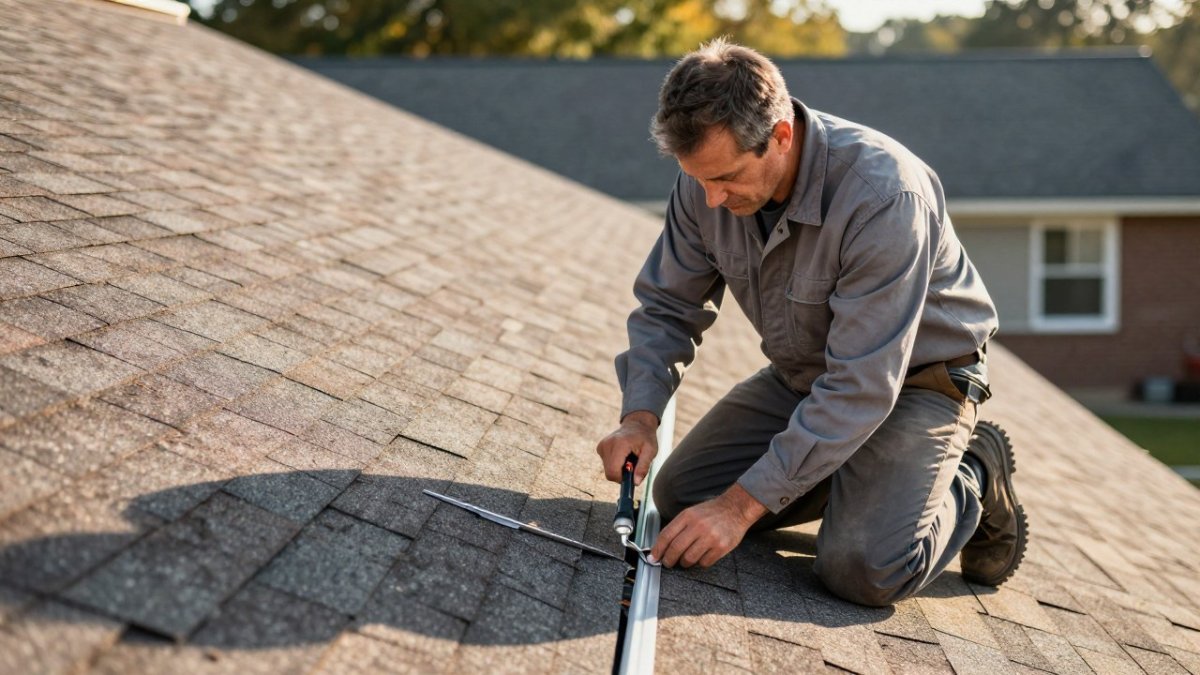
- Is the failure at a penetration or in the field? Flashing failures at chimneys, vents, and wall intersections are common and repairable. Field failures, cracking, curling, or granule loss across open slopes, point to the shingle itself aging out.
- Has the same spot leaked twice in two seasons? That pattern means you are treating a symptom, not the cause. Escalate to a full inspection rather than authorizing another patch.
What Each Path Actually Buys You
A targeted repair buys months to a few years on an otherwise healthy roof, and it is the lowest-cost path when the damage is genuinely isolated. A partial replacement buys years on one slope or section but leaves the rest of the roof on its original clock.
The trap is spending repair money on a roof that is already past the point where repairs compound. Two or three patches in a single season often cost more than the interest on financing a replacement, and they still leave you with an aged roof.
Watch out: a contractor who quotes a full replacement without getting on the roof, checking attic ventilation, or documenting the deck condition is guessing. Ask for photos of the actual failure points and a written explanation of why repair will not hold.
Roof Restoration Options That Extend Service Life
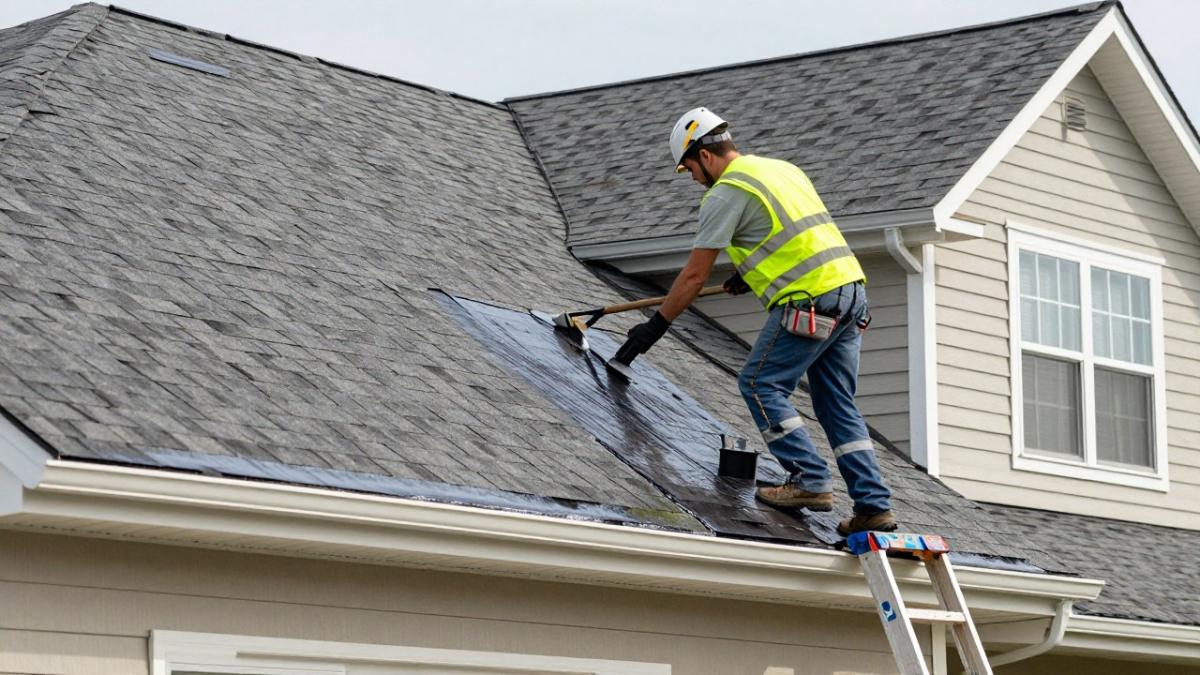
Roof restoration is the middle path between repair and replacement, and it buys time when the roof is sound but tired. The goal is to protect what is there, not to rebuild it. The catch most guides skip: restoration only works when the roof passes an eligibility test first. Applied to the wrong roof, coatings and treatments trap moisture, hide deterioration, and waste money.
The Eligibility Test for Coatings and Shingle Treatments
Before anyone quotes a coating, sealant, or shingle treatment, the roof should pass all of these:
- Sound deck and intact underlayment. A coating is a surface membrane. It cannot span rot, soft spots, or a failed underlayment, and moisture trapped beneath it accelerates deck decay.
- No active or widespread leaks. A single repaired penetration is fine. Multiple active leaks mean water is already moving through the system, and a coating will seal it in rather than out.
- Shingles that are worn, not destroyed. Granule loss, fading, moss, and algae streaking are treatable. Widespread cracking, curling, missing tabs, or shingles that crumble when touched are not, there is no substrate left for a treatment to protect.
- Adequate attic ventilation. Heat and moisture buildup from a poorly vented attic breaks down shingles from below and undermines any coating from the underside. Restoration on a poorly vented roof tends to fail early.
- Compatible roof type. Coatings perform best on flat and low-slope roofs and on metal panels, where a seamless membrane makes sense. On steep-slope asphalt shingles, results vary widely and the product is not a substitute for replacement.
What Each Restoration Option Can and Cannot Do
Roof coating and roof sealant products form a protective layer over the existing roofing material.
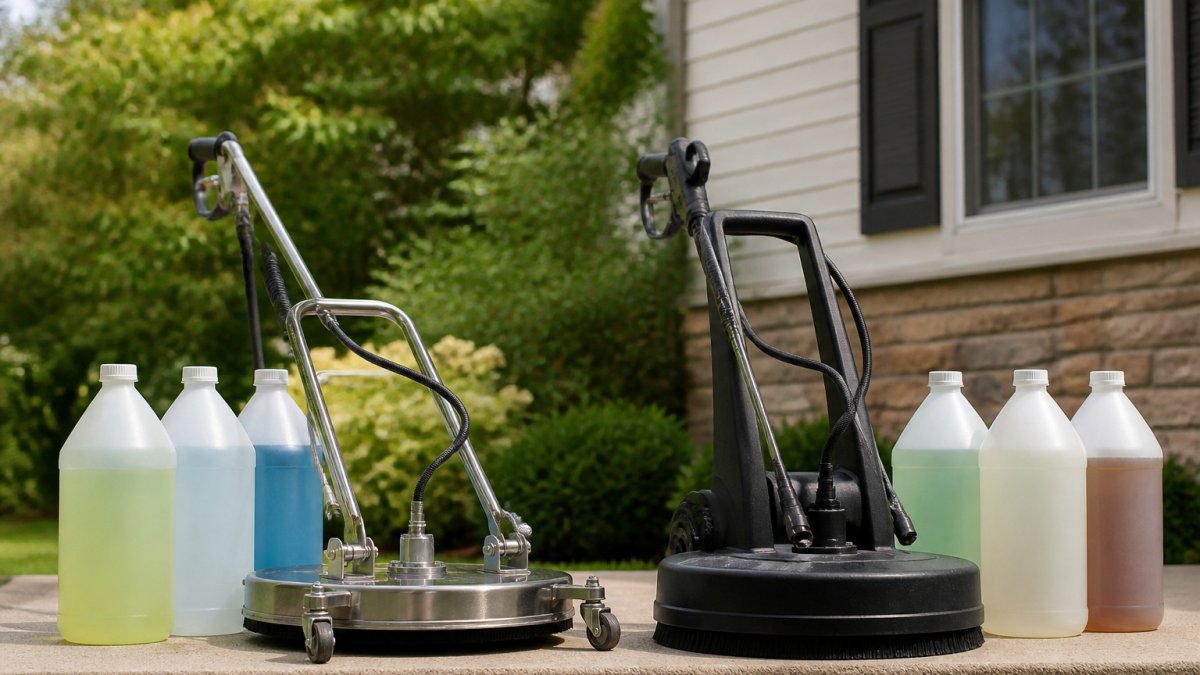
Shingle treatment targets the moss and algae that trap moisture and break down shingles. Cleaning and treating an affected roof can slow deterioration and improve curb appeal.
Partial replacement replaces one slope or section while leaving the rest. It makes sense when damage is confined to a single area, such as the slope under a leaking chimney, and the remaining slopes have meaningful life left.
An overlay lays new shingles over the old ones. The Asphalt Roofing Manufacturers Association's guidance on replacement versus recover notes that some asphalt roofs are not suitable for recover at all, and that general guidelines help assess the choice.
Long-Term Cost of Ownership, Not Just Upfront Price
The useful comparison is total cost over the years you actually keep the roof, not the invoice on the day of the work. A treatment or coating is cheapest upfront but typically buys only a few years and may need reapplication. A partial replacement costs more and buys years on one section while the rest of the roof keeps aging. A full replacement costs the most upfront but resets the entire system and comes with a new warranty.
Watch out: a quote for a coating or treatment that does not include an attic ventilation check and a deck inspection is worth questioning. Those two conditions affect whether a product will last or fail early.
Alternatives to Full Roof Replacement Cost: What Drives the Bill
The alternatives to full roof replacement cost picture is driven by four things: material costs, labor costs, roof access, and how much of the roof is involved. A repair touches a small area. A restoration covers the whole surface but skips tear-off and disposal. A partial replacement sits in between.
| Option | Typical Scope | Lifespan Gained | Relative Cost |
|---|---|---|---|
| Targeted repair | One leak or section | Months to a few years | Lowest |
| Shingle treatment | Cleaning and moss control | Slows decline | Low |
| Roof coating or sealant | Full flat or metal surface | Several years | Moderate |
| Partial replacement | One slope or section | Years on that section | Moderate to high |
| Full replacement | Entire system | Full new lifespan | Highest |
Exact figures depend on your roof's size, pitch, and material, and are best determined through a quote for your property.
Roof Replacement Financing Options When Replacement Is Unavoidable
Sometimes the roof is done, and the honest answer is a new one. Roof replacement financing options usually include contractor payment plans, home equity loans or lines of credit, and unsecured home improvement loans.
Compare the total cost, not the monthly payment. A longer term lowers the payment and raises what you pay overall. Ask each lender about fees, prepayment penalties, and whether the rate is fixed.
Insurance, Code, and Warranty Rules That Shape Your Choice
Insurance rarely pays for wear and tear. Most policies cover sudden damage, such as storm or hail, not a roof that aged out. If you are filing a claim, document the damage before anyone touches the roof.
Building codes matter on overlays and partial replacements: some jurisdictions limit how many layers a roof can carry. Manufacturer warranties are the third constraint. Many require professional installation and proper ventilation, and an overlay or a DIY patch can void coverage. Keep your receipts and inspection records.
Schedule a Roof Inspection Before You Commit to a Strategy
Every option above depends on one thing: an accurate read of your roof's condition. A professional inspection tells you how much service life is left and which path actually fits, before you spend on the wrong one.
At Roof Tune Up, we offer exterior maintenance services, including roof cleaning, soft washing, and gutter cleaning. We serve homeowners in Connecticut and Massachusetts. Check whether we serve your area before requesting an inspection. If you want a clear picture before choosing between repair, restoration, or replacement, schedule a roof inspection and we will walk the roof with you.
Your roof does not need a verdict, it needs a diagnosis. Get that diagnosis from Roof Tune Up and choose the option your roof can actually support.
Frequently Asked Questions
Can you repair a roof instead of replacing it?
Yes, in many cases. Repair makes sense when damage is isolated to flashing, a few shingles, or one slope, and the rest of the roof still has years of service left. Once granule loss, sagging, or widespread leaks show up, repair becomes a short-term patch and full roof replacement is the better call.
How much does it cost to repair or restore a roof compared with replacement?
Repair and restoration costs vary widely by scope, so ask for a written quote that separates labor from materials. Pricing depends on the specifics of each roof, so request a quote for your property. The real comparison is total cost of ownership, not the first invoice.
Can a roof coating extend the life of an existing roof?
A roof coating can add years to certain roofs, particularly flat roofs with single-ply membrane, TPO, or EPDM surfaces and metal panels that are structurally sound. It will not rescue a roof with wet underlayment, rot in the deck, or failing flashing. Some asphalt roofs are not suitable for recover or coating at all, so an inspection should confirm eligibility before you spend anything.
What are my roof replacement financing options if I cannot afford a new roof now?
Common roof replacement financing options include contractor payment plans, home equity loans or lines of credit, and unsecured home improvement loans from banks or credit unions. Compare the total interest paid against the cost of repeated repairs, and get the inspection first so you finance the right scope rather than a guess.