 Comparison
Is Professional Roof Cleaning Worth It? An Honest Look
Last Updated: October 25, 2026
Quick Summary
Professional roof cleaning is worth it when your roof has active moss or algae that traps moisture and shortens shingle life, and it is not worth it when the roof is simply weathered or near replacement. Angi's 2026 data puts professional residential roof cleaning between $296 and $626, small next to a full replacement if the roof has service life left.
- Cleaning pays off on a sound roof with active organic growth, not on a failing roof.
- Soft washing is the method most professionals recommend for asphalt shingles; pressure washing can strip granules.
- DIY rinses often leave the root behind, so moss returns within a season.
- Skip cleaning when shingles curl, granules are lost in sheets, or the roof is at end of service life.
- Vet contractors on insurance, method, references, and a written scope before booking.
Table of Contents
- The Verdict: When Professional Roof Cleaning Pays Off
- What Professional Roof Cleaning Cost Actually Buys You
- Roof Cleaning Pros and Cons: An Objective Breakdown
- Soft Wash Roof Cleaning vs. Pressure Washing
- DIY Roof Cleaning vs. Professional: Cost, Safety, and Results
- How to Vet a Roof Cleaning Contractor Before You Hire
- When Cleaning Is Not the Right Answer
- Request a Roof Assessment Before You Decide
- Frequently Asked Questions
The Verdict: When Professional Roof Cleaning Pays Off
Professional roof cleaning is worth it when your roof shows organic growth that traps moisture and shortens shingle life, and it is not worth it when your roof is simply weathered or nearing replacement.
The cost side is documented. Angi's 2026 roof cleaning cost data puts professional residential roof cleaning between $296 and $626 depending on roof size and method. Compare that to a full roof replacement, and the math usually favors cleaning, but only if the roof has enough service life left to protect.
The Case For Cleaning
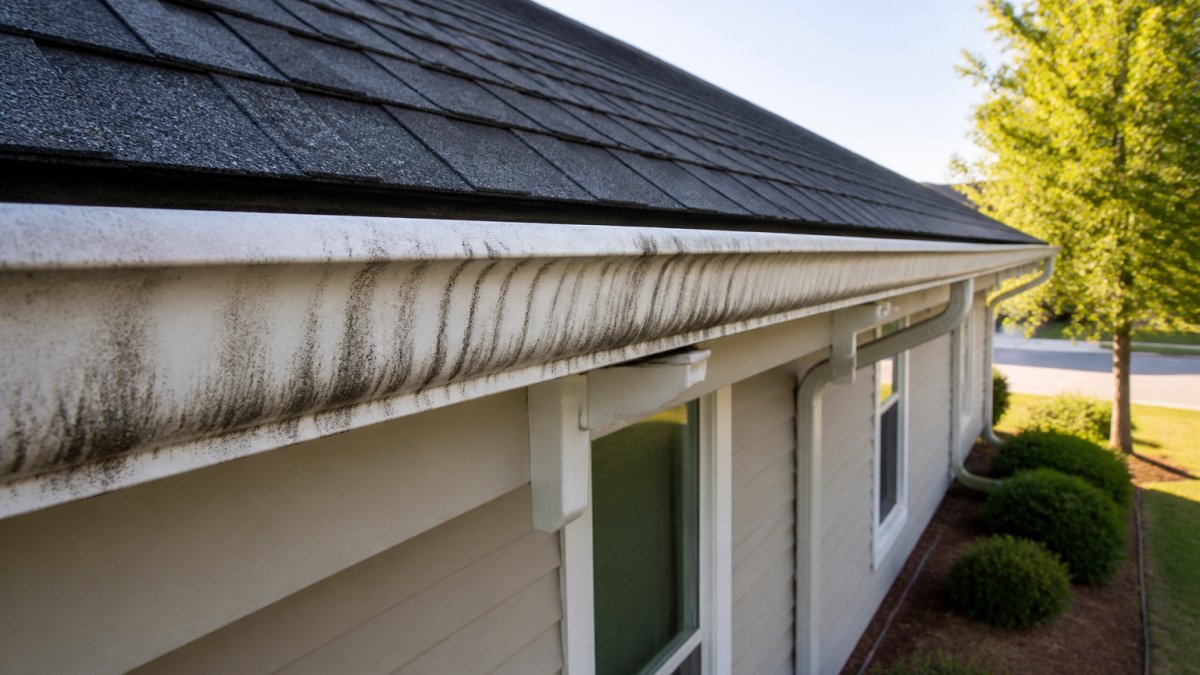
Organic buildup is the real problem, not dirt. Moss and algae hold moisture against the roof surface, and in a climate with freeze-thaw cycles that trapped water does quiet damage over several winters. Cleaning removes the growth, restores curb appeal, and lets you or a contractor actually inspect the shingles underneath.
- Removes moss, algae, and lichen before they spread
- Restores appearance and resale value
- Makes a real roof inspection possible
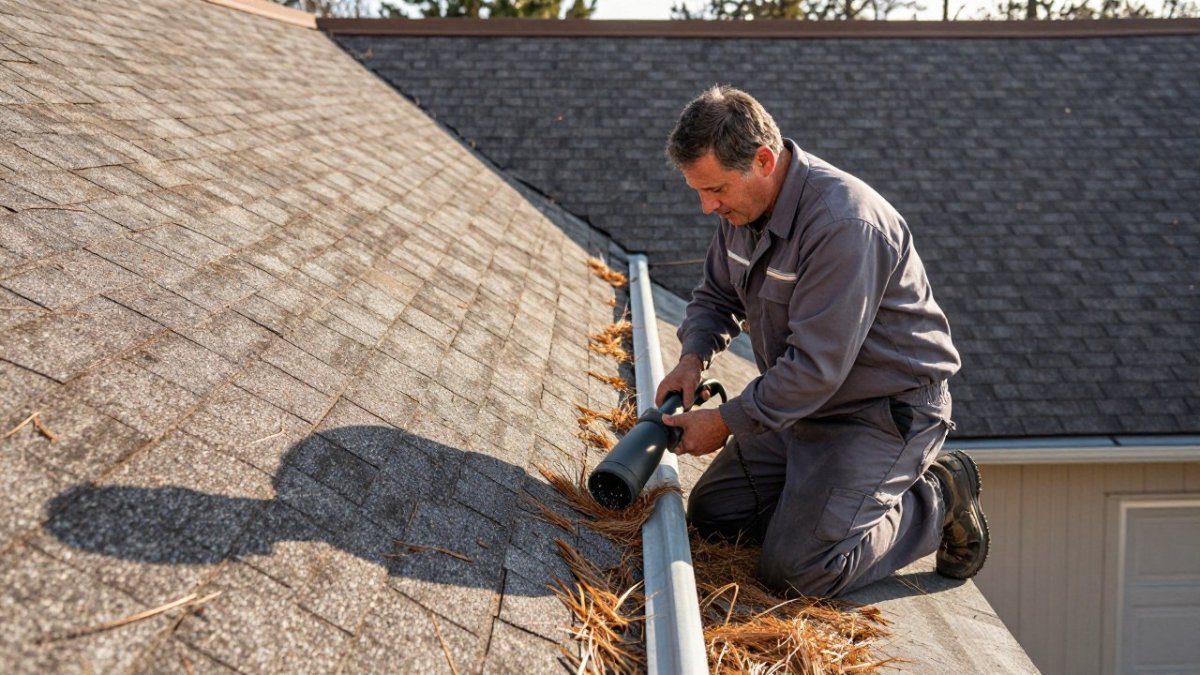
- Removes debris that clogs valleys and gutters
The Case Against
Roof cleaning is not always necessary, and any company that says otherwise is selling, not advising. A roof will not fail simply because it wasn't cleaned. If your shingles are already curling, granule loss is heavy, or the roof is at the end of its service life, cleaning is cosmetic spending on a surface that's coming off anyway.
The other honest caveat: moss removal means stripping growth off the roof, and that process is controversial for good reason. Done wrong, it damages the very surface it's meant to protect.
What Professional Roof Cleaning Cost Actually Buys You
A professional roof cleaning cost reflects labor, method, and risk, not just soap. The price covers a crew working at height with safety equipment, the correct cleaning method for your roof material, and the treatment that keeps growth from returning next season. But the real question is whether that spend returns more value than it costs. Here is a transparent way to think about it, with the caveat that every roof is different and no honest contractor can guarantee a specific return.
The Cost Side
Angi's 2026 roof cleaning cost data puts professional residential roof cleaning between $296 and $626 for a typical single-family home, depending on roof size, pitch, and method. Soft washing on a steep or heavily grown roof can run toward the top of that range or above; a simple single-story ranch may come in lower. Add-ons like gutter clearing or a post-clean inspection may be quoted separately.
The Benefit Side (Estimates, Not Guarantees)
A full asphalt shingle roof replacement can be a significant investment. If cleaning meaningfully delays that replacement by even a few years, the math favors cleaning. But that delay is an estimate, not a promise. The realistic benefit comes from three places:
- Avoided moisture damage. Moss and algae hold water against the roof surface. Removing them reduces the freeze-thaw damage that shortens shingle life in cold climates.
- Preserved warranty compliance. Some shingle manufacturers require reasonable maintenance, and documented cleaning can support a warranty claim.
- Resale curb appeal. A visibly clean roof reads as maintained, which can matter at appraisal and negotiation, though no cleaning job guarantees a specific bump in value.
The Honest Calculation
| Scenario | Likely Outcome |
|---|---|
| Sound roof, active moss or algae | Cleaning cost is small versus replacement; benefit likely |
| Sound roof, light cosmetic staining | Benefit is mostly appearance; value depends on resale plans |
| Roof near end of service life | Cleaning is cosmetic spending; put budget toward replacement |
| Active leak or structural issue | Cleaning does not fix it; inspection and repair first |
The takeaway: cleaning is worth it when the roof has enough service life left to protect. It is not worth it when the roof is already failing. Ask for a written quote and a condition assessment before you commit, and treat any contractor who promises a specific dollar return with skepticism.

Roof Cleaning Pros and Cons: An Objective Breakdown
The roof cleaning pros and cons come down to condition and timing. Cleaning pays off on a sound roof with active organic growth. It's a poor use of money on a failing roof or one that only needs a rinse.
Pros:
- Extends the useful life of shingles by removing moisture-trapping growth
- Improves curb appeal and property value at resale
- Supports preventive maintenance and warranty compliance
- Lets a professional catch damage early
Cons:
- Costs money on a roof that may need replacement soon
- Poor technique causes pressure damage and voids warranties
- Results fade without retreatment
- Not a substitute for repairs
The honest position: cleaning is maintenance, not a cure. It preserves a healthy roof. It does not rescue a dying one.
Soft Wash Roof Cleaning vs. Pressure Washing
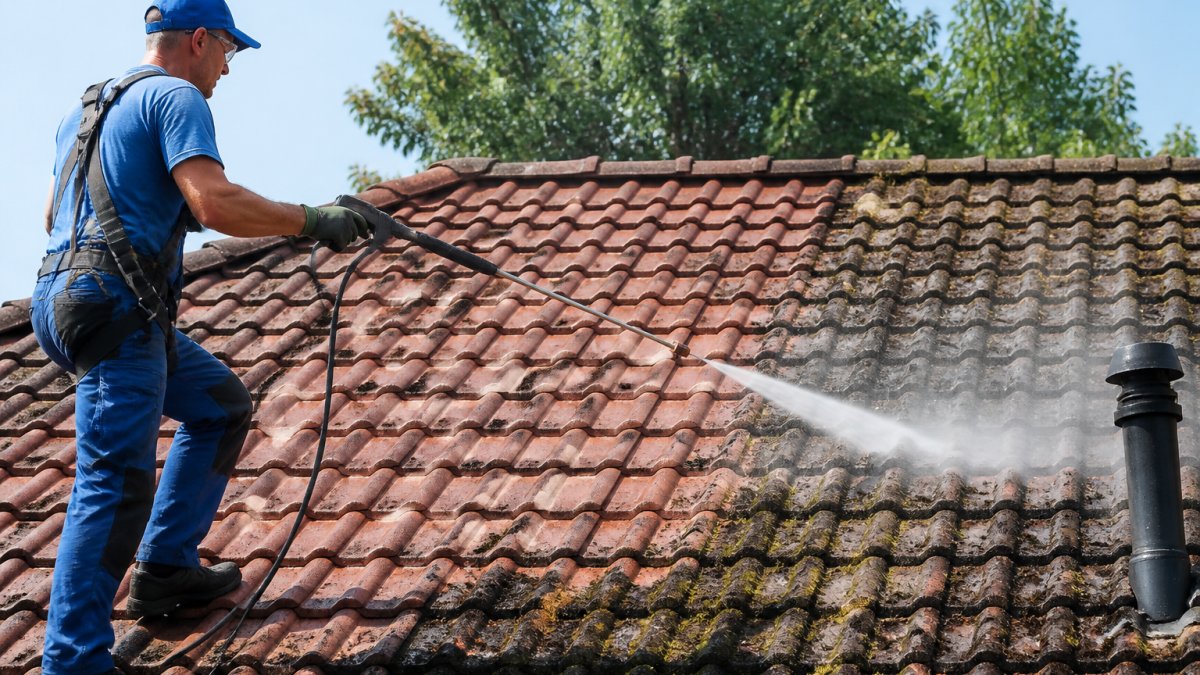
Soft wash roof cleaning is the method most professionals recommend for asphalt shingles, and pressure washing is the method most likely to cause damage. Soft washing applies a low-pressure chemical treatment that kills moss, algae, and lichen at the root. You can see our soft wash roof cleaning service to understand the recommended approach. Pressure washing blasts growth off with high-pressure water, which can strip granules, crack shingles, and force water under the surface. But the right method depends heavily on what your roof is made of, and that is where most generic advice falls short.
Asphalt Shingles
Asphalt shingles are coated in protective granules that shield the asphalt from sun and weather. High pressure removes those granules, and they do not grow back. On older roofs with already-thin granules, pressure washing can turn a maintenance job into a repair bill. Soft washing with a biocide is the standard recommendation. Avoid harsh solvents that can void the manufacturer's warranty, and confirm the product used is approved for asphalt.
Clay and Concrete Tiles
Tiles are more pressure-tolerant than shingles, but they are brittle and can crack under a direct high-pressure stream, and walking on them improperly can break them. Soft washing is still the safer default. On glazed tiles, strong chemicals can dull the finish, so ask what product will be used and whether it is safe for the glaze.
Slate
Slate is durable but unforgiving. High pressure can chip edges and dislodge pieces, and improper foot traffic causes cracks that are expensive to repair. Many practitioners recommend low-pressure cleaning or even hand removal of growth on slate, with careful attention to the specific slate type. This is not a DIY-friendly roof.
Metal Roofs
Metal roofs generally tolerate soft washing well, but high pressure can damage coatings and sealant at fasteners and seams. The bigger risk on metal is scratching the finish, so soft washing with a mild biocide and a rinse is the usual approach. Confirm the product will not stain or etch the coating.
Why the Distinction Matters
Soft washing treats the cause. The biocide kills the organism, so regrowth is slower. Pressure washing removes what is visible and leaves the root behind, which is why growth often returns within a season or two.
DIY Roof Cleaning vs. Professional: Cost, Safety, and Results
DIY roof cleaning vs. professional comes down to three things: safety, method, and how long the result lasts. DIY saves the labor cost but adds real risk and often produces a shorter-lived result.
The safety issue is the big one. Working at height on a wet, sloped roof is a genuine slip hazard, and one misstep can cost far more than any cleaning service.
Results are the quieter problem. A DIY rinse removes visible growth but often leaves the root, so moss returns within a season.
How to Vet a Roof Cleaning Contractor Before You Hire
Vetting a contractor comes down to four checks: licensing and insurance, method, references, and a written scope. Ask each one before you book.
- Confirm they carry liability insurance and workers' comp
- Ask which method they use on your roof material
- Request references from roofs similar to yours
- Get the scope in writing, including gutters and cleanup
- Confirm how they handle runoff and plant protection
- Ask whether the work affects your roof warranty
Watch out: a contractor who quotes pressure washing for an asphalt shingle roof, or who won't put the method and scope in writing, is the one to walk away from. If you want to confirm coverage in your area, please contact us.
When Cleaning Is Not the Right Answer
Cleaning is the wrong call when the roof is failing.
Cleaning is also the wrong answer when the problem is a leak. Water ingress points to failed flashing, damaged shingles, or sealant, and no amount of washing fixes a leak. Same with heavy debris or structural sag: those need repair, not cleaning.
The right answer when cleaning is wrong is an honest assessment of what the roof actually needs. We'd rather tell you to skip the cleaning than sell you one that doesn't help.
Request a Roof Assessment Before You Decide
The decision to clean or not comes down to the roof's actual condition, and that's something you can only judge up close. You can request a roof assessment to get a straight answer before committing.
At Roof Tune Up, our exterior maintenance work is engineered for permanence, and that starts with telling you the truth about what your roof needs. We serve homeowners across Connecticut and Massachusetts, and our services are built to last.
Frequently Asked Questions
Does roof cleaning really work, or is it just cosmetic?
Cleaning removes the organic buildup (algae, moss, lichen, and debris) that causes staining and discoloration, and it changes how the roof surface looks. Whether it extends roof lifespan is harder to prove. Angi frames cleaning as a possible way to avoid a full replacement, but no supplied study quantifies a lifespan gain. Treat cleaning as maintenance that improves appearance and removes growth, not as a guaranteed life-extension treatment.
How much does professional roof cleaning cost?
Professional roof cleaning costs vary depending on roof size and method. Your quote will vary with roof material, pitch, and how much growth is present, so get a written estimate for your specific roof.
Is it safe to pressure wash roof shingles?
High-pressure washing can strip granules from asphalt shingles, force water under tiles, and damage protective coatings, which is why soft wash roof cleaning is the standard approach for shingles. Soft washing uses low pressure and a cleaning solution to kill organic growth rather than blast it off. Ask any contractor which method they plan to use on your roof material before work begins.
Is professional roof cleaning better than DIY?
DIY roof cleaning saves the labor charge but carries real risk. Professionals bring safety equipment, correct cleaning agents, and insurance. If your roof is steep, tall, or already aged, the DIY savings rarely justify the exposure.
How often should a roof be professionally cleaned?
There is no single interval that fits every roof. Frequency depends on weather exposure, tree cover, and how quickly moss and algae return in your area. Many homeowners clean when growth becomes visible or after heavy debris seasons rather than on a fixed yearly schedule. A contractor assessment can tell you whether your roof needs treatment now and roughly when to expect the next round.