 Ultimate guide
Residential Roof Cleaning Services in Connecticut: 2026 Guide
Table of Contents
- Why Connecticut Homeowners Invest in Professional Roof Cleaning
- Soft Wash vs. Pressure Washing: Protecting Your Shingles
- How to Remove Moss From Roof Shingles
- Understanding Soft Wash Roof Cleaning Cost
- Roof Cleaning Safety Precautions Every Homeowner Should Know
- Seasonal Timing and Preventative Maintenance for Connecticut Roofs
- Conclusion: Protecting Your Roof and Your Warranty
- Frequently Asked Questions
Last Updated: September 23, 2026
Why Connecticut Homeowners Invest in Professional Roof Cleaning
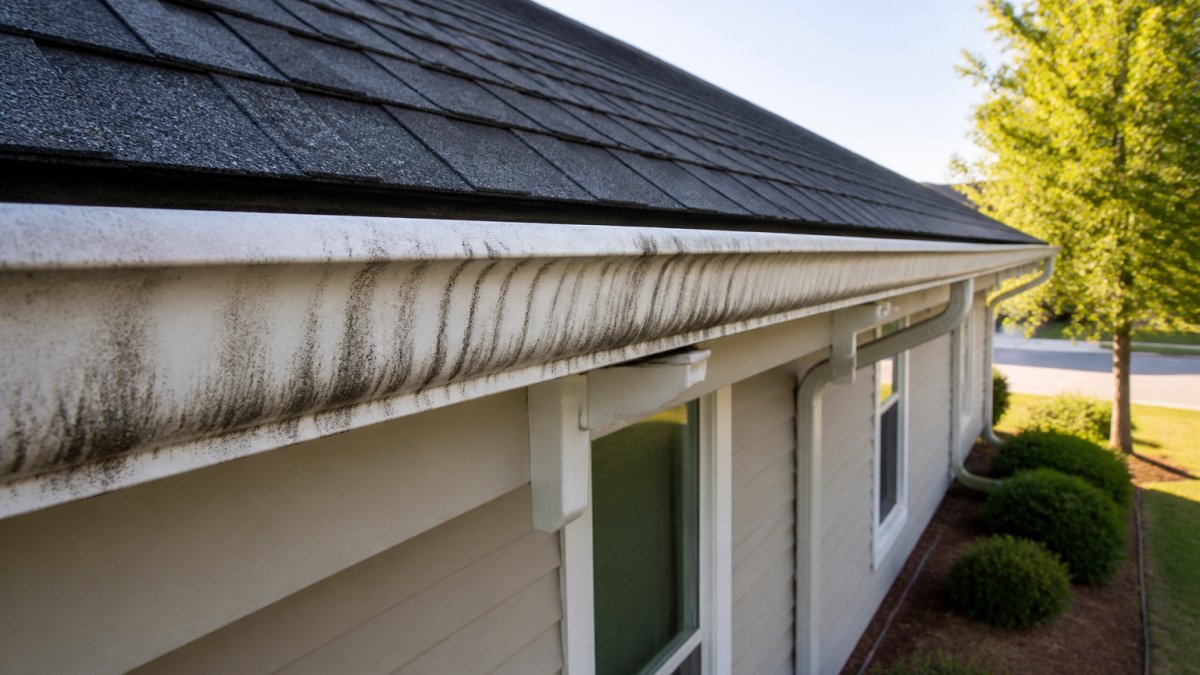
Professional roof cleaning Connecticut services protect one of your home's most expensive components from the organic growth that thrives in New England's humid summers and freeze-thaw winters. Black algae streaks and moss colonies often start small and quietly shorten a roof's service life.
That growth isn't just cosmetic. According to the Asphalt Roofing Manufacturers Association, algae and moss hold moisture against shingle surfaces, which accelerates granule loss and can affect warranty coverage. The manufacturer's warranty on most asphalt shingles hinges on reasonable maintenance, and documented neglect gives manufacturers grounds to deny a claim.
Below, we'll show you exactly how professional cleaning works and how to time it around Connecticut's seasons so your roof lasts as long as it should.
Soft Wash vs. Pressure Washing: Protecting Your Shingles
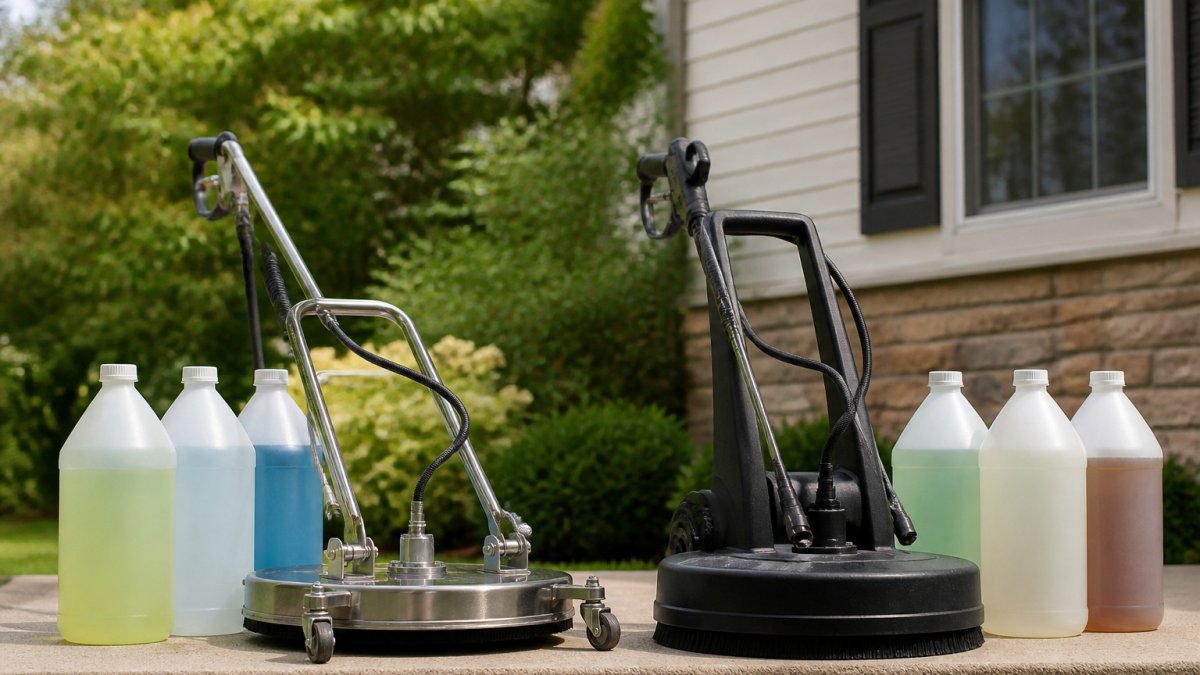
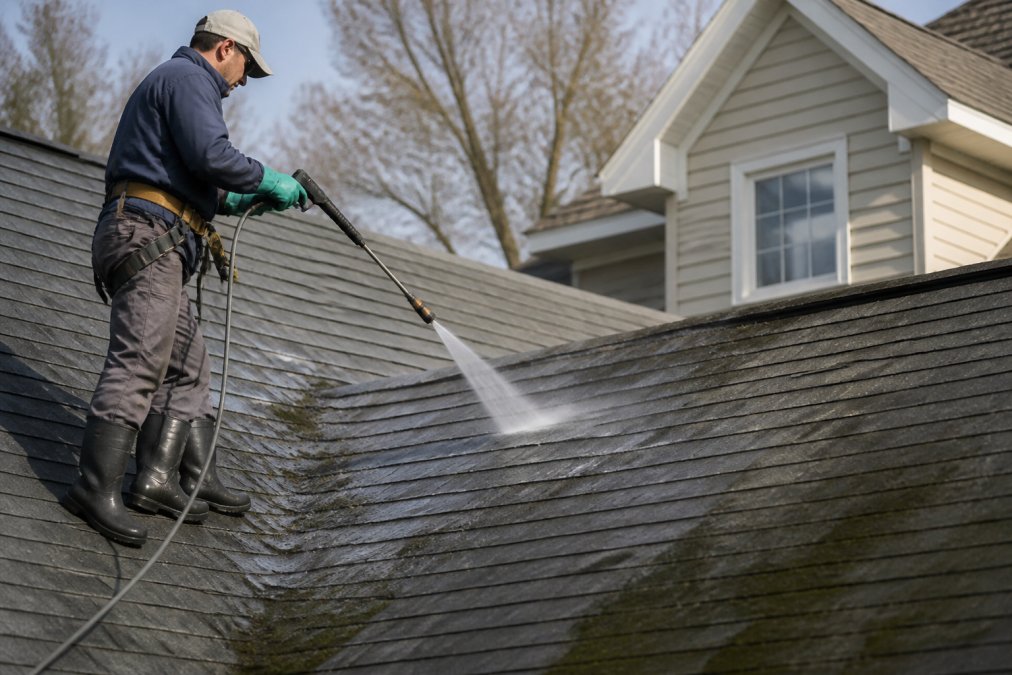
Soft washing is the only method we recommend for asphalt shingles. It uses low-pressure application of a cleaning solution to kill organic growth at the root, rather than blasting it off the surface.
Pressure washing forces water under shingle edges at high velocity. On an aging roof, that's how you turn a surface problem into a leak.
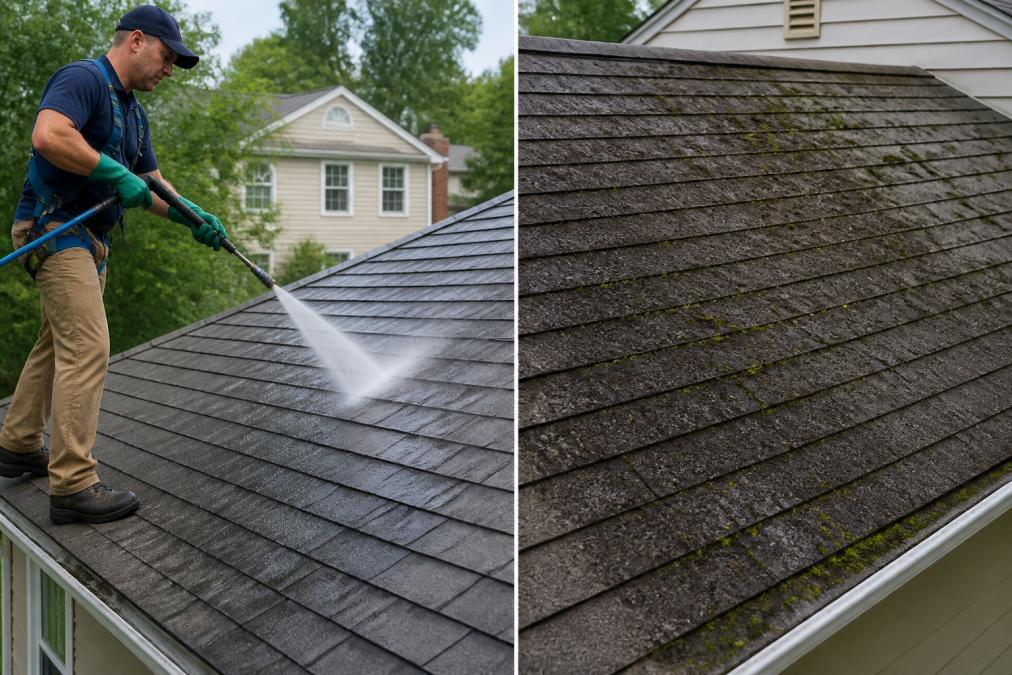
Here's the practical difference:
| Method | Pressure Level | How It Works | Best For |
|---|---|---|---|
| Soft wash | Low | Kills growth chemically, rinses clean | Asphalt shingles, older roofs |
| Pressure wash | High | Blasts growth off mechanically | Concrete, masonry, some tile |
How to Remove Moss From Roof Shingles
Removing moss from roof shingles requires killing the plant and its root structure, not just pulling off the green top layer. Moss anchors itself into the gaps between shingles, and tearing it off by hand lifts granules with it.
A proper moss treatment follows this sequence:
- Inspect the roof for damaged or lifted shingles before any work begins
- Apply a cleaning solution that targets moss, lichen, and algae
- Let the solution dwell so it reaches the roots
- Rinse with low pressure and clear the debris from valleys and gutters
- Treat surrounding areas so spores don't immediately recolonize
Moss removal by roof material
Most guides treat every roof the same. They shouldn't. The right approach depends on what's overhead:
- Asphalt shingles, the most common roof in the region. Soft washing with a sodium hypochlorite-based solution is the standard method. Never scrub with a stiff brush; the granules that come off are the shingle's UV protection and they do not grow back.
- Cedar shakes, cedar is softer and more porous than asphalt. Aggressive chemicals can strip the natural oils that keep shakes from drying out and cracking. Many cedar specialists prefer a gentler oxygen-based cleaner followed by a hand-removal of dead moss, and some recommend a follow-up wood preservative treatment.
- Metal roofs, standing seam and corrugated metal tolerate soft washing well, but the wrong cleaner can dull a painted finish or accelerate corrosion at fasteners. Confirm the cleaner is compatible with the specific coating before any application.
- Clay and concrete tile, tile is durable but the underlayment beneath it is not. Walking tile roofs risks cracking tiles and compressing the underlayment, so low-pressure application from a ladder or from the ridge is preferred.
- Slate, the most fragile common roof material. Slate should generally be cleaned by a specialist who understands which pieces are already delaminating, because a single misstep can crack a tile that is no longer manufactured.
DIY vs. professional: the honest risk assessment
Many homeowners try a DIY approach with a brush and a garden hose. It works for a few weeks, then the moss returns, because the root structure survived. The bigger risks are less obvious:
- Warranty exposure. Most asphalt shingle manufacturers condition coverage on reasonable maintenance. Improper cleaning, high pressure, abrasive brushing, or the wrong chemicals, is a common reason a claim gets denied.
- Granule loss. Every pass with a stiff brush or pressure washer removes granules permanently. That shortens the roof's life even when the moss is gone.
- Chemical runoff. Cleaning solutions that kill moss will also kill landscaping, stain siding, and etch window glass if they aren't pre-wetted and rinsed properly. A professional carries the pre-treatment and rinse plan that prevents this.
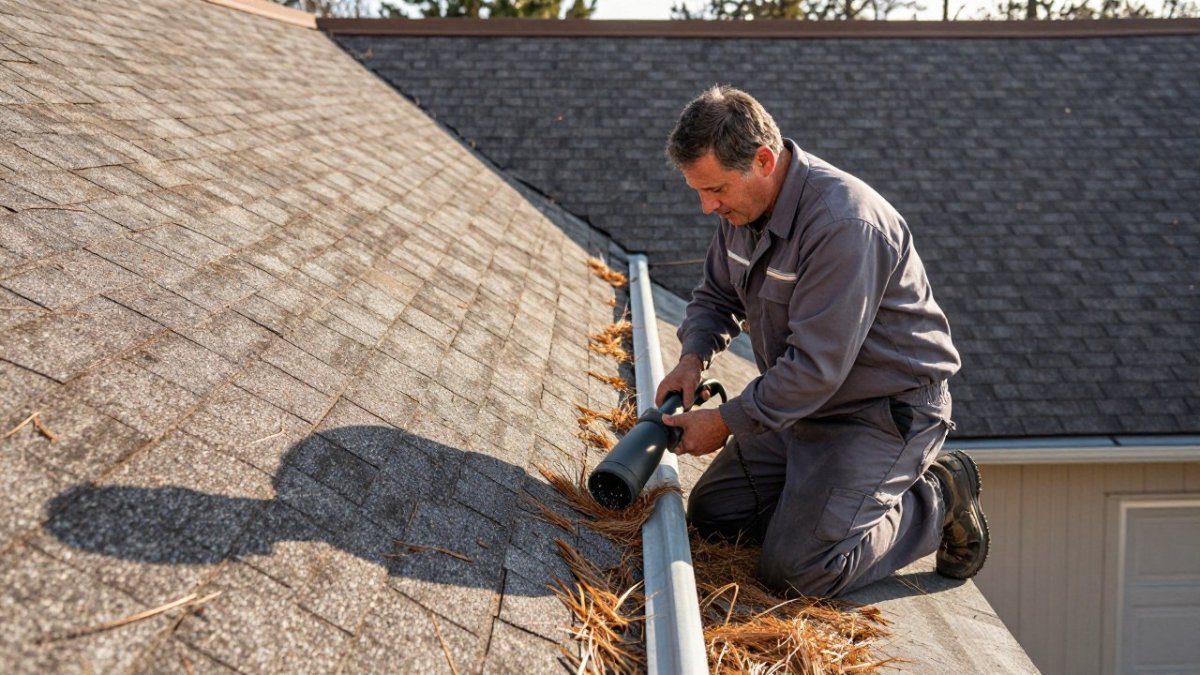
- Fall risk. Falls from residential roofs send thousands of Americans to emergency rooms every year. A wet, mossy roof is the worst possible surface to be standing on.
- Liability. If a DIY project damages a neighbor's property or injures a helper, homeowner's insurance may not cover it. A licensed and insured professional carries the coverage that a homeowner simply doesn't have.
Understanding Soft Wash Roof Cleaning Cost
Soft wash roof cleaning cost depends on roof size, pitch, accessibility, and how much organic growth has taken hold. A steep two-story roof with heavy moss takes more labor and more solution than a low ranch with light algae staining.
Most providers in the region price by the square, a roofing square equals 100 square feet of roof surface. A typical single-family home has a roof between 1,500 and 3,000 square feet, or roughly 15 to 30 squares. Steep pitch, multiple stories, fragile landscaping below the roofline, and heavy growth are the four factors that move a quote the most.
What actually drives the number:
- Roof size and pitch, steeper roofs require more fall protection, slower movement, and more solution per square.
- Severity of growth, light algae staining is a single-pass treatment; established moss with root structure may need a longer dwell time or a follow-up visit.
- Access and landscaping, roofs over decks, koi ponds, or delicate plantings require pre-wetting and tarping, which adds labor.
- Gutters and debris load, a roof shedding years of moss into gutters adds a gutter cleaning line item.
- Add-ons, post-service inspection, zinc or copper strip installation along ridges, and preventative treatments are typically quoted separately.
We don't publish flat rates, because quoting a number before seeing the roof leads to surprises for everyone. Roof Tune Up provides a free estimate after assessing your roof in person. That estimate reflects the actual condition of your shingles, your gutter load, and any safety considerations like height or landscaping beneath the roofline.
Roof Cleaning Safety Precautions Every Homeowner Should Know
Roof cleaning safety precautions exist for a reason: falls from residential roofs send thousands of Americans to emergency rooms every year, and cleaning solutions are corrosive to skin and eyes.
For anyone considering DIY work, the essentials are:
- Never walk a wet roof, and never work alone
- Wear eye protection and chemical-resistant gloves when handling cleaning solutions
- Keep ladders on stable, level ground and secured at the top
- Protect plants, siding, and windows from runoff before you start
- Avoid power equipment on steep pitches entirely
The bigger risk is judgment.
Seasonal Timing and Preventative Maintenance for Connecticut Roofs
Late spring through early fall is the ideal window for roof cleaning Connecticut homeowners should target. Cleaning solutions work best in moderate temperatures, and you avoid the freeze risk that makes winter work unpredictable.
Conclusion: Protecting Your Roof and Your Warranty
Organic growth is patient. Left alone, it works its way under shingles, holds moisture through every freeze-thaw cycle, and quietly erodes the roof you paid for. Catching it early is a maintenance decision, not a cosmetic one.
Frequently Asked Questions
How much does professional roof cleaning cost in Connecticut?
Pricing for residential roof cleaning services in Connecticut depends on roof size, pitch, level of organic growth, and accessibility. Most providers offer a free estimate after inspecting your roof. Request a quote from a licensed and insured provider to get an accurate figure for your home.
Is soft washing safe for asphalt shingles?
Yes. Soft washing uses low-pressure cleaning with biodegradable solutions to kill algae, moss, and lichen at the root without damaging shingles. High-pressure washing can strip granules, void your roof warranty, and shorten roof lifespan. For asphalt shingles, soft wash is the recommended safe cleaning method. Always confirm your provider uses low-pressure techniques and has experience with your specific roof material.
What time of year is best for roof cleaning in Connecticut?
Late spring through early fall is ideal for roof cleaning in Connecticut. Warm temperatures help cleaning solutions work effectively, and dry weather allows proper rinsing and drying. Scheduling in spring removes winter debris and moss before summer growth accelerates. Fall cleaning prepares your roof for winter freeze-thaw cycles. Avoid cleaning during freezing temperatures, as water can ice on shingles and create safety hazards.
How often should you have your roof cleaned to prevent moss damage?
Most Connecticut homes benefit from professional roof cleaning every 18 to 24 months. Homes surrounded by trees or in shaded areas may need annual preventative maintenance because moss and algae return faster. Regular roof inspections and gutter cleaning extend roof longevity and protect your manufacturer's warranty. Your provider can recommend a schedule based on your roof's exposure to moisture, shade, and organic growth.
Roof Tune Up provides professional exterior maintenance services, including expert roof cleaning, soft washing, gutter cleaning, and house washing, all engineered for permanence to ensure your property remains in peak condition. Our professional roofing services are built to last, delivering long-lasting results that protect and enhance your home's longevity. Serving both Connecticut and Massachusetts, we are the authoritative choice for enduring quality and exceptional care.