 How-to
How to Prevent Roof Algae Growth in New England
Last Updated: November 22, 2026
Quick Summary
Preventing roof algae in New England comes down to keeping the roof dry, reducing shade, and applying a roof-safe treatment on a regular schedule. Trim overhanging branches and clear gutters and valleys so shingles dry faster after rain. Treat on the label interval, and use low pressure rather than high-pressure washing.
- Trim overhanging limbs so they stay several feet clear of the roof.
- Check north-facing slopes, since they stay wet longest after rain.
- Clear leaves from the roof and gutters after fall before the first hard freeze.
- Use a product labeled for asphalt shingles and follow the dilution exactly.
- Avoid high-pressure washing, which can strip granules and shorten roof life.
Table of Contents
- Algae vs. Moss: How to Tell Them Apart on Your Roof
- Why New England Roofs Are Prone to Algae: Climate, Shade and Moisture
- Step-by-Step Prevention Plan for New England Roofs
- Best Time of Year to Remove Moss and Algae From Your Roof
- How to Remove Moss From a Roof Without Damaging Shingles
- Booking Your Roof Tune Up Inspection and Preventive Cleaning
- Frequently Asked Questions
Preventing roof algae growth in New England comes down to three things: keeping the roof dry, reducing shade, and treating the surface with the right products on a regular schedule. A roof that looks clean one summer can show dark streaks the next. Roof algae is a dark, blue-green growth that feeds on moisture and sits on asphalt shingles, and it spreads faster when sunlight is limited and humidity stays high.
The good news is that most of the work is simple. The steps below walk through what to check, what to do, and when it makes sense to call a professional.
- Keep the roof surface dry where you can
- Trim branches that shade the roof
- Clear debris from gutters and valleys
- Use a roof-safe treatment on a regular schedule
Algae vs. Moss: How to Tell Them Apart on Your Roof
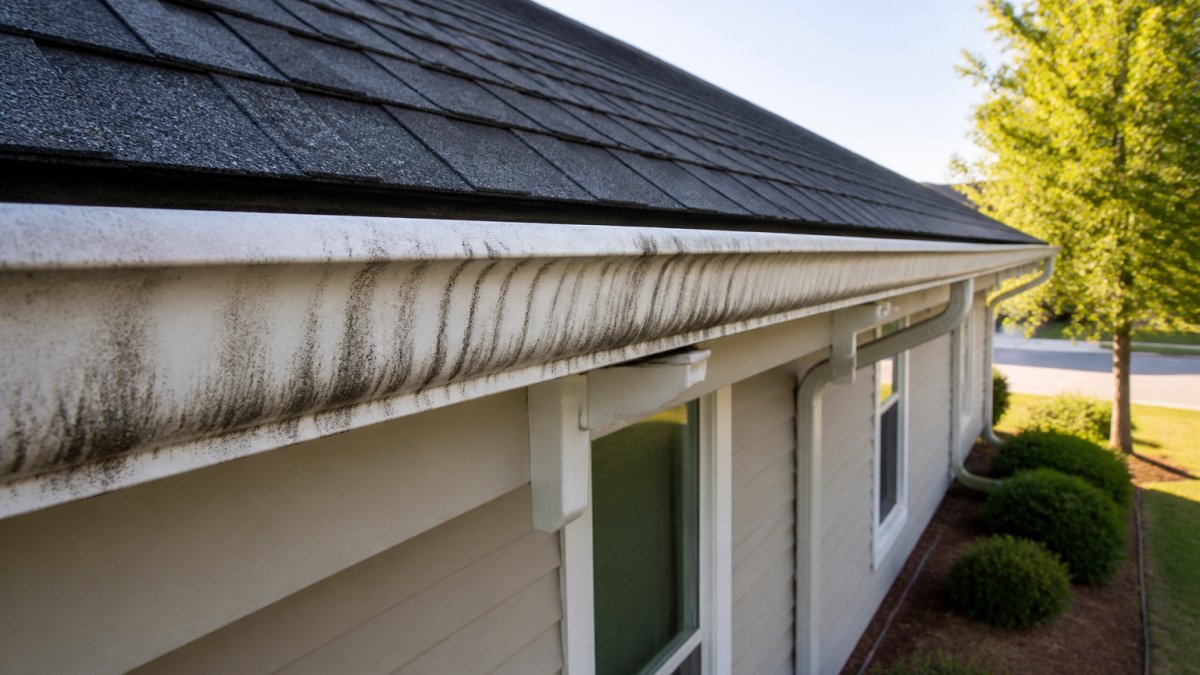
Roof algae usually shows up as flat, dark streaks or patches that run down the slope. Moss looks different. It grows in soft, raised clumps with a fuzzy texture, and it can hold water against the shingles.
Here is how to tell them apart:
- Algae: flat, dark streaks, often black or blue-green, running downhill
- Moss: raised, spongy clumps, green to brown, sometimes with tiny stems
- Lichen: crusty, gray or yellow patches that are bonded to the surface
A common mistake is treating moss like algae. Moss has roots that work into the shingle, so scraping alone rarely solves it. Algae is more of a surface stain, so the approach to cleaning is different.
Why New England Roofs Are Prone to Algae: Climate, Shade and Moisture
New England has long, damp seasons and plenty of tree cover. Those two conditions give algae what it needs. Shaded roof slopes, especially those facing north, stay wet longer after rain and dew. Because sunlight dries them slowly, algae has time to take hold.
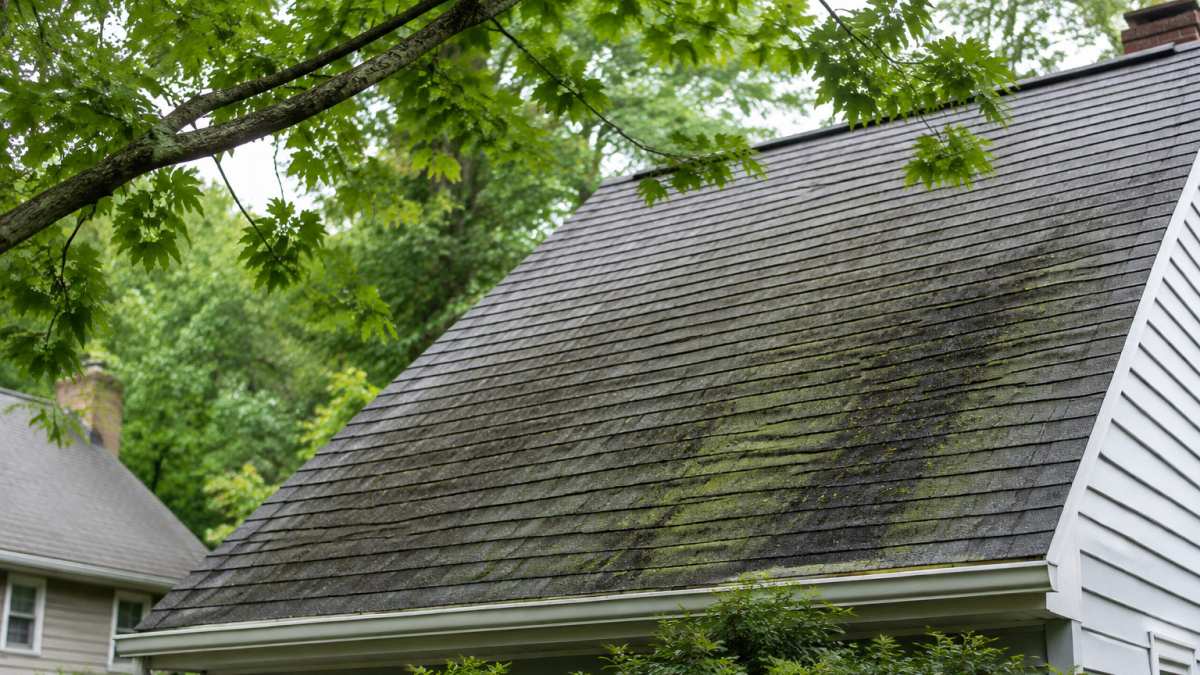
Moisture is the main driver. Water that sits on shingles, gutters that overflow, and branches that drip onto the roof all keep the surface wet. Airflow also matters. Roofs with poor ventilation trap humidity, which helps algae spread.
Watch for these warning signs:
- Dark streaks on north-facing slopes
- Damp shingles that stay wet a day or more after rain
- Overhanging branches within a few feet of the roof
- Clogged gutters or debris in valleys
Step-by-Step Prevention Plan for New England Roofs
Prevention works best when you treat it as a sequence: first remove what feeds algae, then change the surface so algae has a harder time returning, then keep it that way with a maintenance rhythm. The steps below are ordered that way, and each one includes the mechanism and the trade-off so you can decide what is worth doing on your roof.
- Inspect the roof from a safe position. Check north-facing slopes, valleys, and areas under tree canopy for dark streaks or raised growth. Binoculars from the ground are enough for a first pass. Note whether shingles stay damp a day or more after rain, that is the single best indicator that a slope is algae-prone.
- Reduce shade and moisture sources. Trim overhanging limbs so they stay several feet clear of the roof surface, and thin dense canopy above the roof where you can do so safely. The goal is not full sun; it is faster drying after rain and dew. Keep gutters and valley flashings clear so water does not back up under shingle courses.
- Consider metal-ion strips where they fit your roof. Zinc or copper strips near the ridge can release small amounts of metal ions that rain carries down the slope, which may slow algae growth on the surfaces they reach. Check the manufacturer's directions before installation. Copper and zinc differ in staining and replacement needs, and neither strip is a complete solution.
- Consider algae-resistant shingles at replacement time. If the roof is being replaced, ask your roofer about shingles with algae-resistant granules. These can reduce streaking rather than eliminate it, and their protection may fade as granules wear. Review the warranty terms to see whether algae resistance is covered.
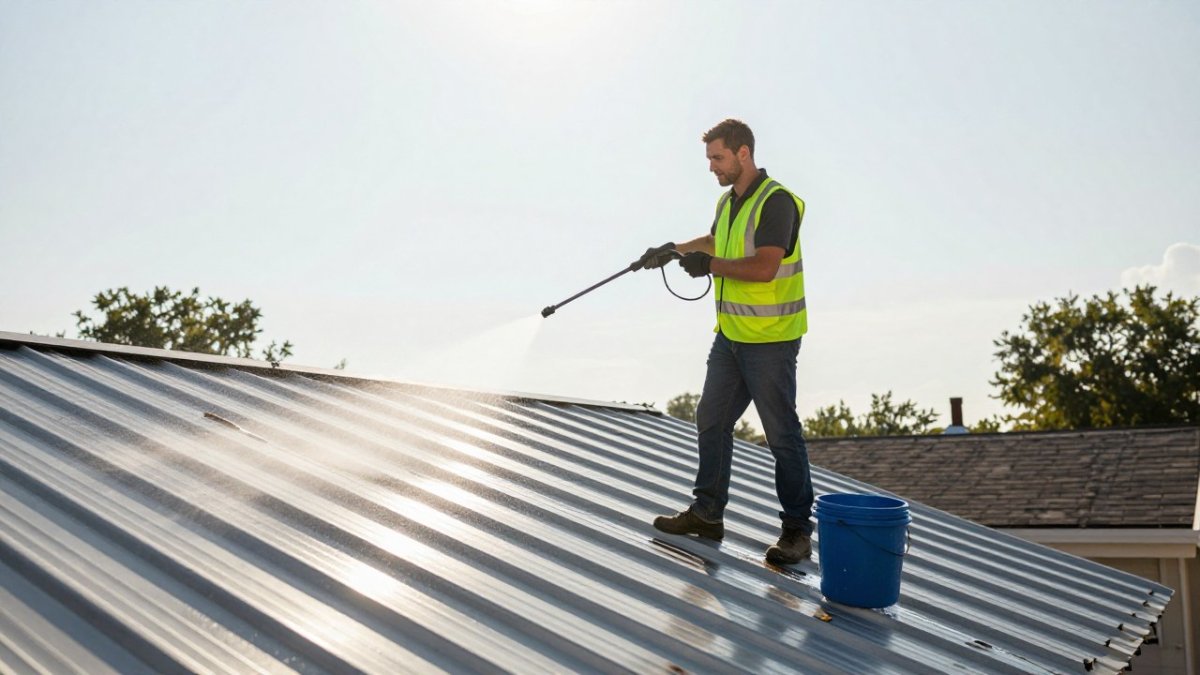
- Apply a roof-safe treatment on a schedule, not on a crisis. Use a product labeled for asphalt shingles and follow the label dilution exactly. Many roof-cleaning solutions use a diluted bleach-based formula. Follow the product label exactly, since stronger mixtures can bleach granules, corrode metal, and harm landscaping. Apply low-pressure, let dwell per the label, and rinse. Avoid high-pressure washing on shingles, since it can strip granules and shorten roof life.
- Protect what is below the roof. Before any treatment, wet down plants, cover or move outdoor furniture, and direct runoff away from gutters, downspouts, and foundation beds. Bleach solutions are hard on vegetation and can stain decks and siding; rinse surfaces that receive runoff.
- Set a yearly check and a re-treatment interval. Inspect once a year and re-treat on the interval the product label recommends, more often on heavily shaded slopes. Keep a simple log of dates and products so you can see whether a slope is getting worse or holding steady.
Watch out: Mixing bleach with ammonia or acid-based cleaners produces dangerous gas, and applying any treatment to a hot, dry roof in direct sun can flash-dry the product before it works and damage granules. Work on a cool, overcast day and follow the label.
If you are planning a new roof, the highest-leverage decisions, shingle selection, underlayment and ventilation details, and strip placement, happen before installation, not after streaks appear.
The steps below summarise the prevention sequence, with the action and timing for each.
| Step | What to do | Time or frequency |
|---|---|---|
| Inspect the roof | Check north-facing slopes, valleys and shaded areas | Check for damp shingles a day after rain |
| Reduce shade and moisture | Trim overhanging limbs and clear gutters | Keep limbs several feet clear of the roof |
| Metal-ion strips | Install zinc or copper strips near the ridge | Follow manufacturer directions |
| Algae-resistant shingles | Ask about them at replacement time | Review warranty terms |
| Roof-safe treatment | Apply a label-diluted product, low pressure, then rinse | Re-treat on the label interval |
| Protect landscaping | Wet plants, cover furniture, direct runoff away | Before every treatment |
| Yearly check | Inspect and keep a log of dates and products | Once a year |
Best Time of Year to Remove Moss and Algae From Your Roof
Timing matters more here than in milder climates because the roof goes through freeze-thaw cycles, a heavy leaf-fall, a pollen season, and humid summers in the same year. The practical calendar below is built around those cycles rather than around generic 'spring and fall' advice.
- Late winter to early spring (before pollen): Inspect after the last hard freeze. Freeze-thaw cycles open small gaps at shingle edges and around flashing, and winter growth is easiest to see before new pollen and seed debris land. This is the best window to remove dead moss and to check for lifted or cracked shingles. Avoid walking the roof while it is still frosty or wet.
- Spring (pollen season): Pollen and seed debris collect in valleys and behind chimneys and feed algae and moss. Clear debris and check gutters. If you treat, do it on a mild, overcast day, not in the first hot, dry stretch, when product can flash-dry before it works.
- Summer (humid stretch): This is when algae streaks spread fastest on shaded, north-facing slopes. Inspect those slopes monthly if you can, and re-treat on the label interval. Avoid applying treatments in the heat of the day; early morning is better for product performance and for you.
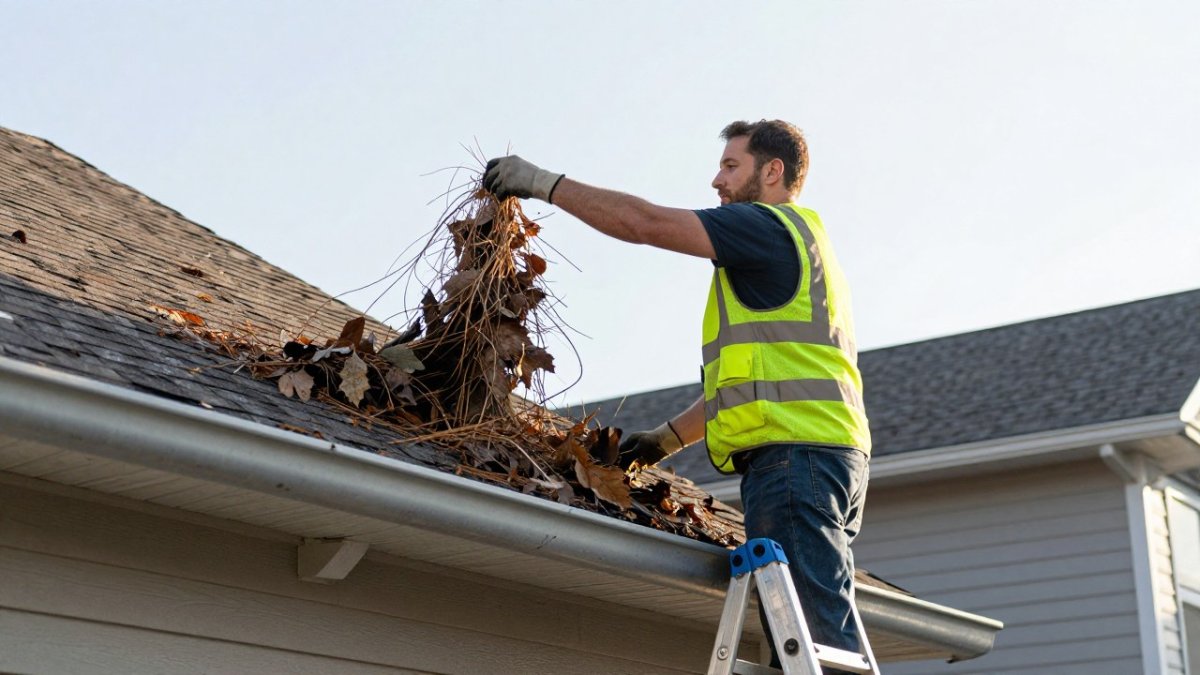
- Fall (leaf fall): The most important preventive window. Clear leaves from the roof, valleys, and gutters before they hold moisture against shingles through winter. Apply a preventive treatment after leaf fall and before the first hard freeze so the surface goes into winter clean.
- Winter: Inspection only, from the ground. Do not walk a snow- or ice-covered roof, and do not apply treatments in freezing temperatures, most products will not bond or work properly and slick surfaces are dangerous.
A simple rule: inspect twice a year (early spring and after leaf fall), treat on the product's recommended interval, and clean gutters at least twice a year, more if the roof sits under trees. If a slope stays damp a day or more after rain, shorten the interval rather than increasing the strength of the product.
How to Remove Moss From a Roof Without Damaging Shingles
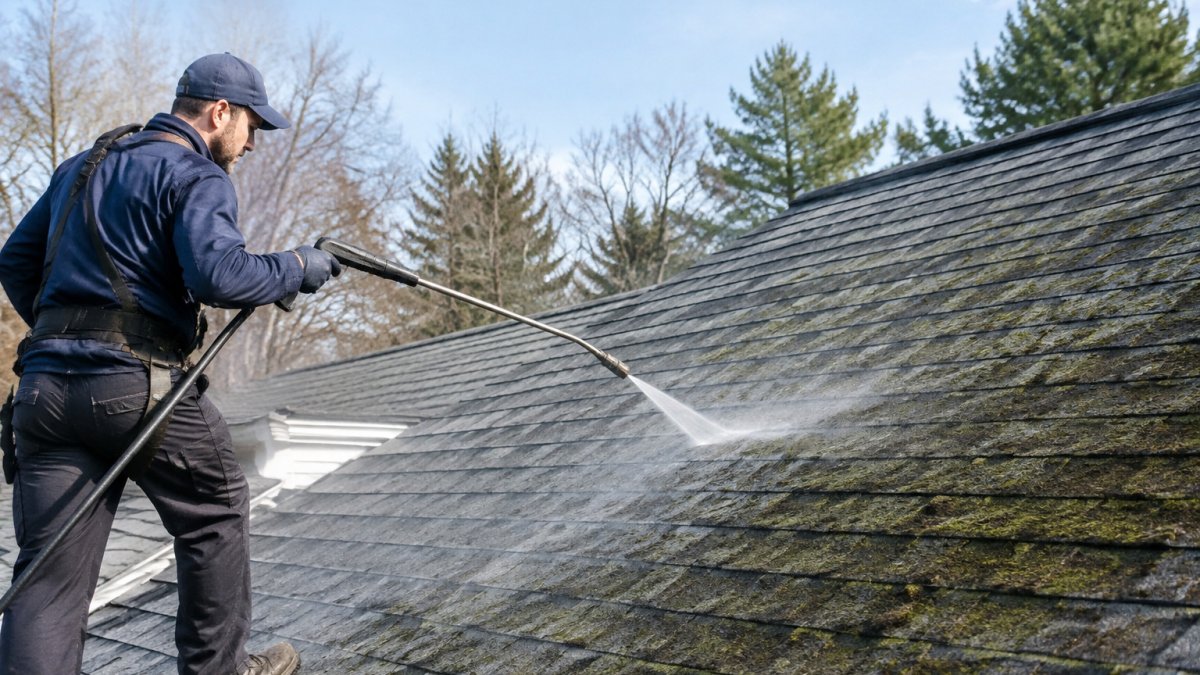
Removing moss gently takes patience. Start by clearing loose debris with a soft brush or a leaf blower set to a low setting. Then apply a roof-safe moss treatment and let it sit for the time listed on the label.
After the treatment has done its job, rinse the area with low-pressure water. Do not scrub hard. Dead moss should loosen and wash away. If moss has rooted deeply, do not force it off, since that can tear shingles.
Keep these tips in mind:
- Work from a secure ladder or with a professional
- Protect plants and landscaping before applying any product
- Rinse runoff away from gutters and downspouts
Booking Your Roof Tune Up Inspection and Preventive Cleaning
If you want a professional to handle the inspection, cleaning, and prevention steps, Roof Tune Up serves homeowners in Connecticut and Massachusetts. Visit our website to schedule an inspection or request a quote. Pricing depends on the size of the roof, its condition, and the services you choose, so we recommend asking for a custom estimate.
For a closer look at local options and what to expect, read the Residential Roof Cleaning Services guide. Ready to get started? Book a roof inspection with Roof Tune Up to protect your roof before the next season arrives.
Frequently Asked Questions
How often should a roof be cleaned to prevent algae?
Most roofs in shaded, humid New England yards benefit from an inspection once a year, with cleaning scheduled when staining or debris begins to build up. Roofs under heavy tree cover or on north-facing slopes may need attention more often. Killing existing growth does not stop it from returning, so the timing should follow the conditions on your property rather than a fixed date. Roof Tune Up can assess your roof and recommend an interval; current pricing depends on roof size, access and scope, so request a quote through the website for accurate figures.
Do zinc or copper strips prevent roof algae?
Zinc or copper strips installed near the ridge can release metal ions with rainwater that slow algae growth on the surfaces they reach. Their effect is limited to the surfaces downslope of them, so they are best used as one part of a broader plan. Strip compatibility with your roofing material and manufacturer guidance should be checked before installation. A professional inspection can confirm whether strips make sense for your roof's layout and exposure.
What is the best moss and algae killer for roofs?
Many moss and algae killers are effective at killing growth, but they do not prevent regrowth on their own. Dead material still needs to be removed, and conditions such as shade, moisture and debris must be addressed to slow return. Product choice should match your shingle type and be applied according to label directions to avoid runoff onto plants and lawns. Roof Tune Up can recommend an appropriate approach for your roof; contact the company for current service details.